Hifzul - Iman English Pdf
Eine erschwingliche Hochleistungs-FEM-Lösung.

Eine erschwingliche Hochleistungs-FEM-Lösung.
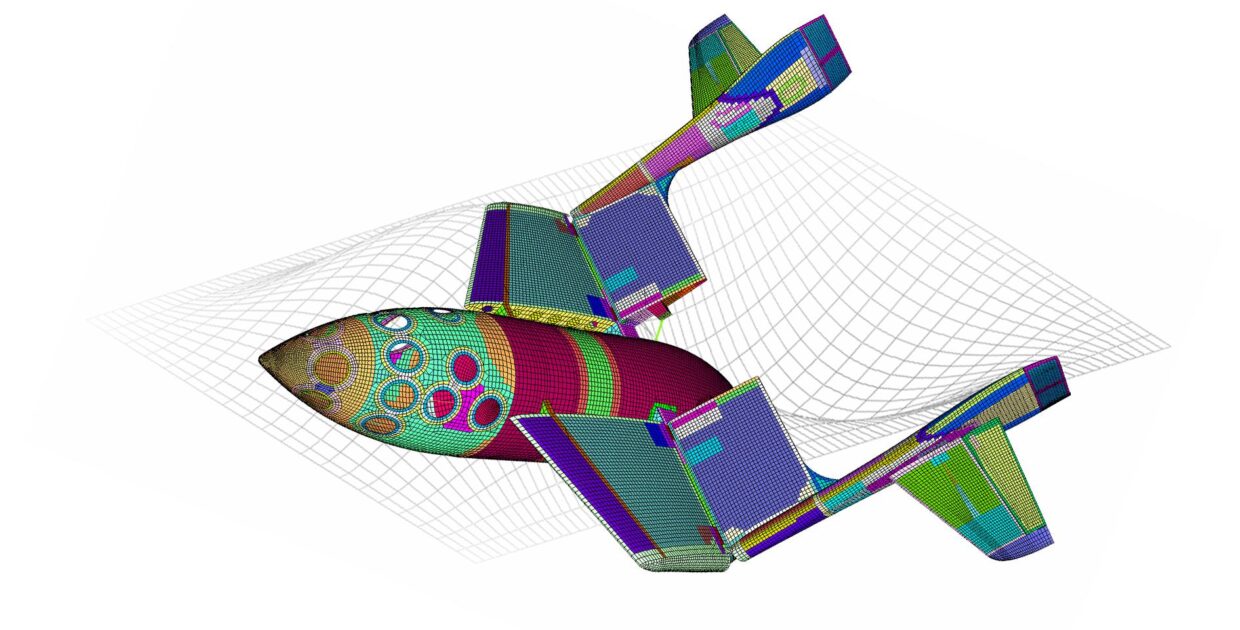
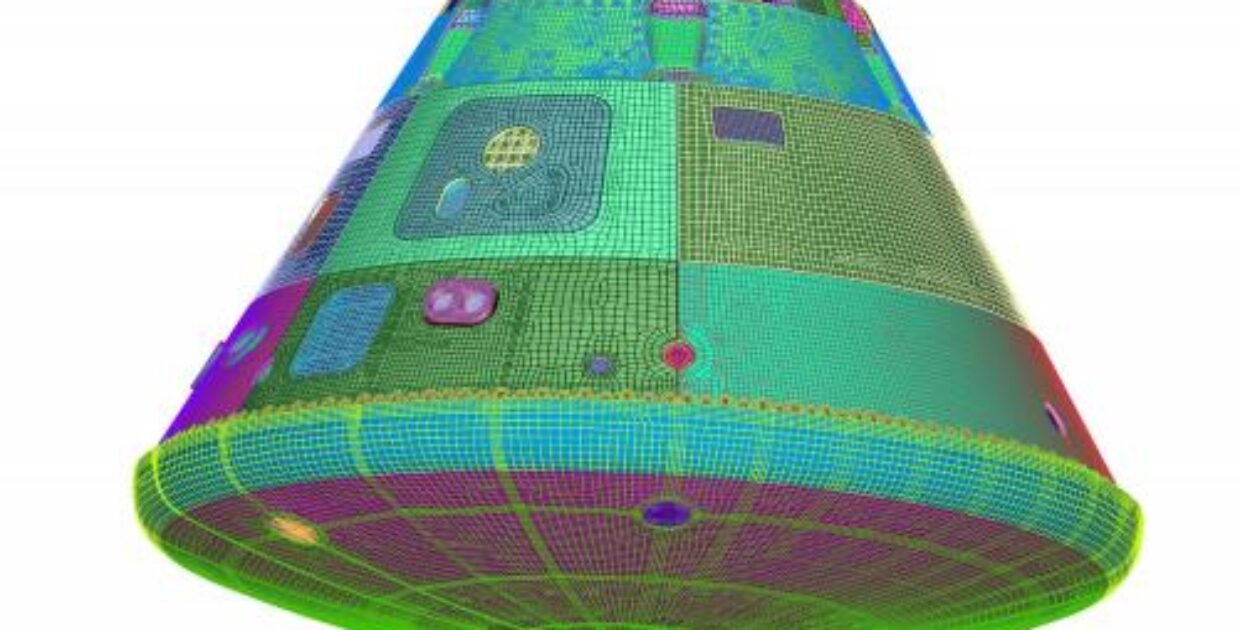
Simcenter Femap ist Teil des Siemens Digital Industries Software Simcenter Produktportfolios und eine der bekanntesten FEM-Lösungen. Simcenter Femap wird in der Branche seit über 30 Jahren angewendet. Mit dem Programm bereiten Sie Ihre Simulationsmodelle vor (Pre-Process) und erhalten eine umfassende Darstellung der Analyseergebnisse (Post-Process). Die Software ist offen für alle kommerziellen Solver, darunter Simcenter Nastran, Ansys, LS-DYNA und Abaqus und kann auf Geometriedaten aller großen CAD-Systeme zugreifen.
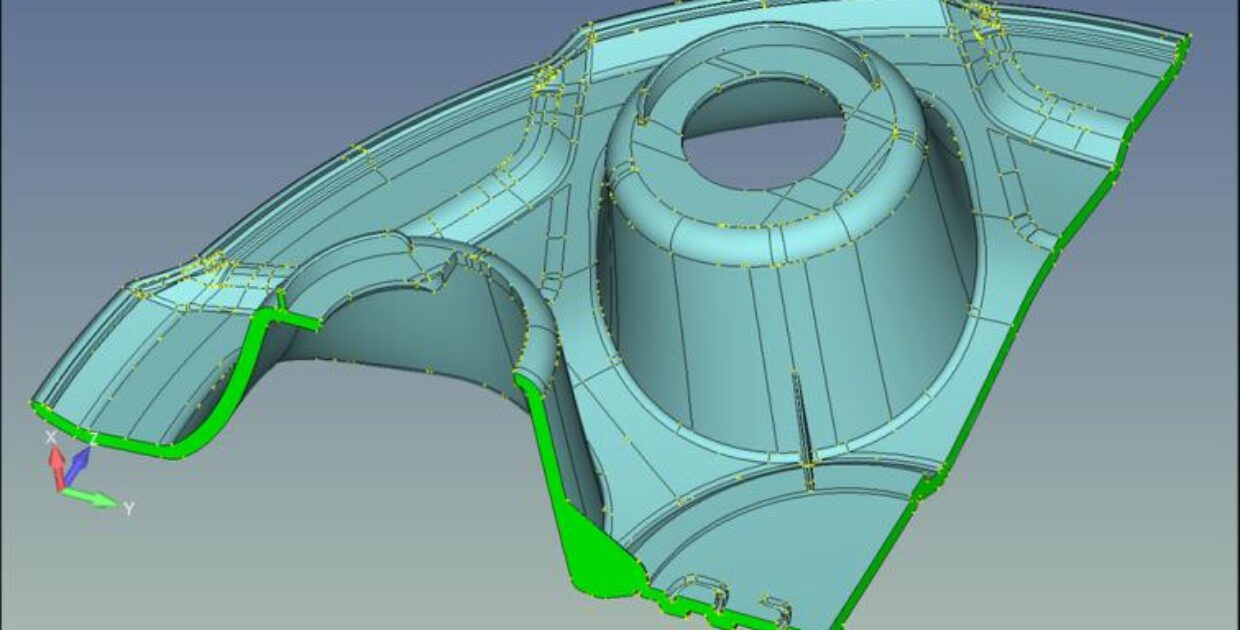
Von Anfänger bis Fortgeschrittenen kombiniert Simcenter Femap außergewöhnliche Benutzerfreundlichkeit mit Kosteneffizienz und hat das Potenzial, die anspruchsvollsten Probleme zu modellieren.
Prospekt
Für Simcenter Femap gibt es mehrere Möglichkeiten, die Lizenz zu erwerben:
Neben der Basisplattform stehen mehrere Zusatzmodule zur Verfügung, die auf die gleiche Weise flexibel ergänzt werden können. Auch hier ist es möglich, die Module über Token einzustellen. Möchten Sie mehr wissen?
Femap kostenlos testen Mietlizenz
Online Angebot Studentenlizenz
Als Referenz haben wir eine Reihe von Femap Fallstudien für Sie pro Industrie gruppiert.
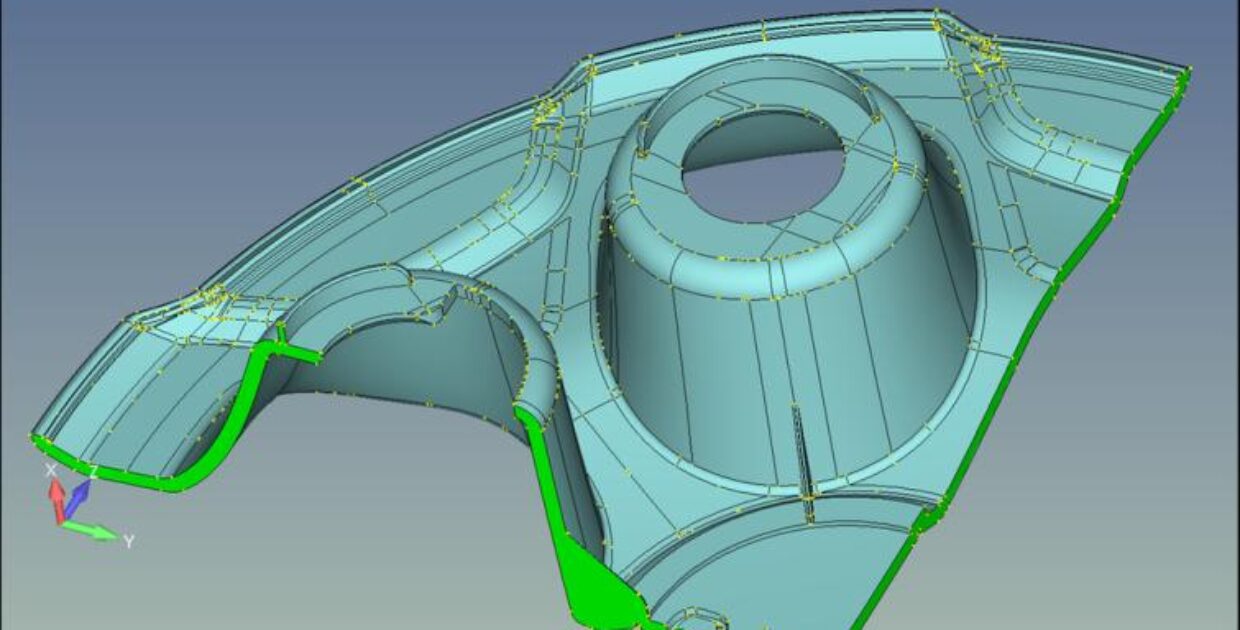
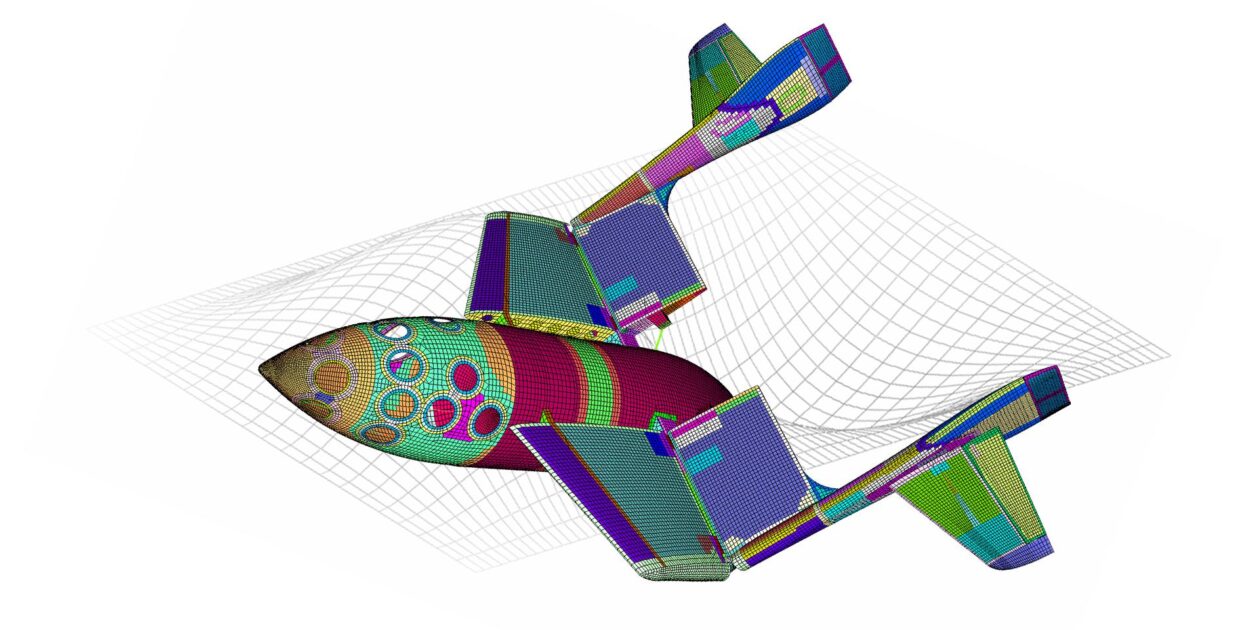
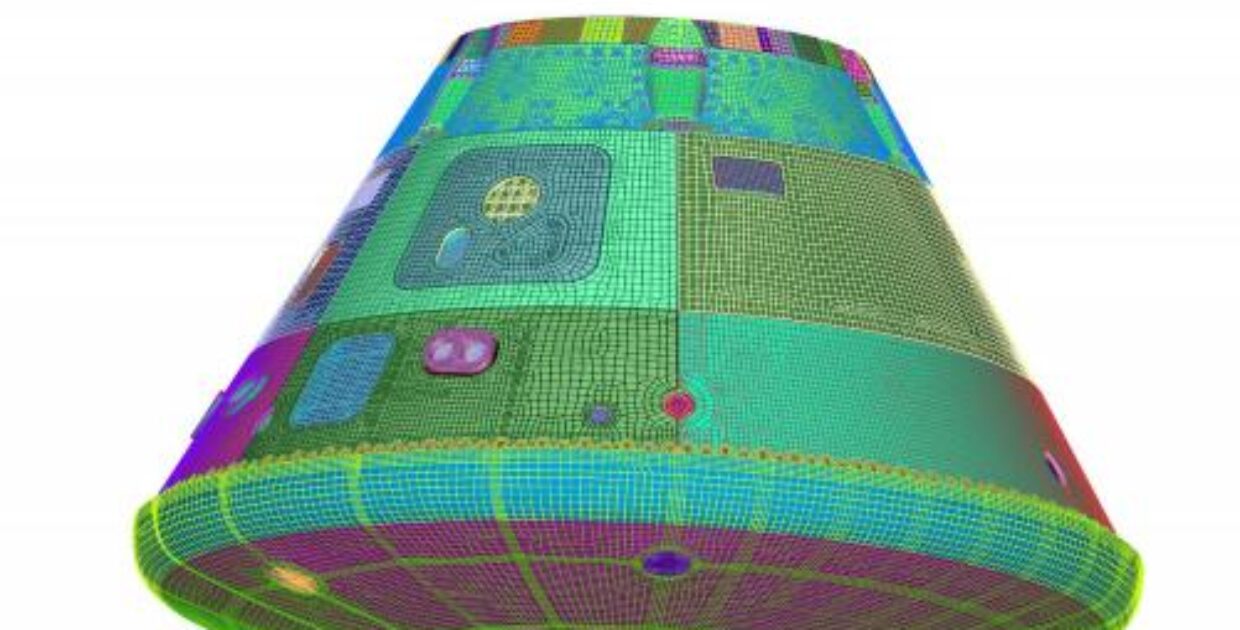
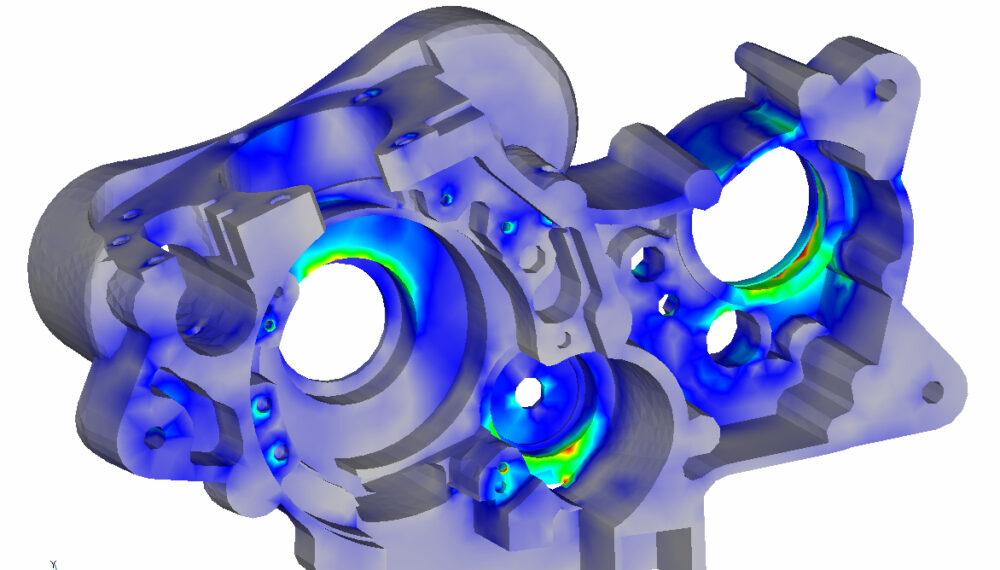
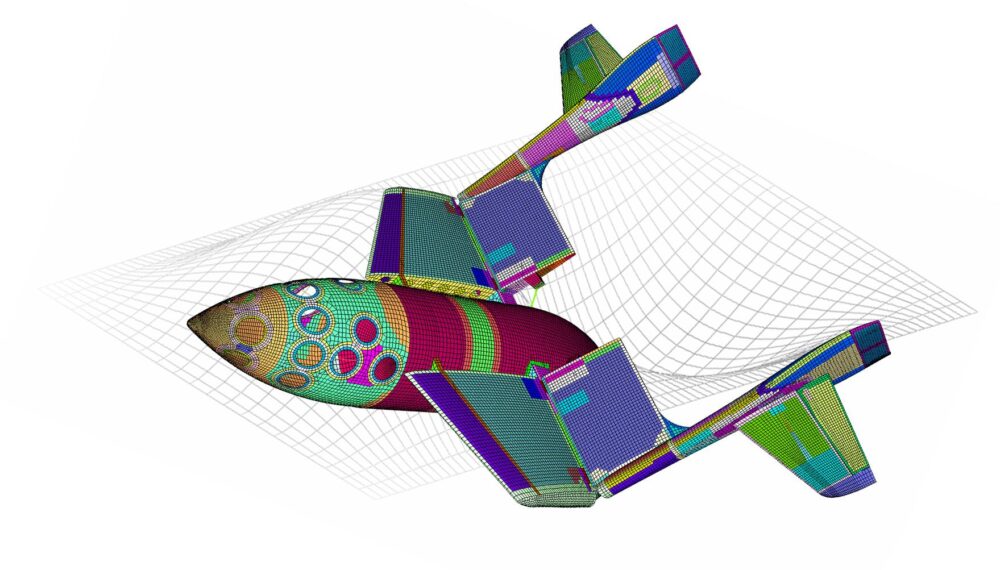
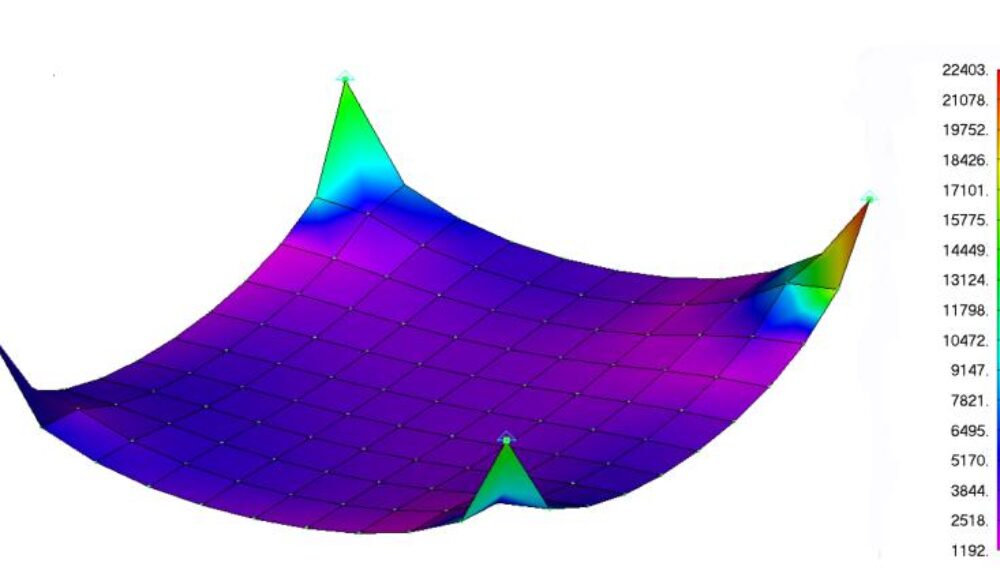
Als Teil des Simcenter Mechanical Portfolios bietet Femap die Möglichkeit, praktisch jede Art von Konstruktion oder Bauteil mit dieser Software zu modellieren und das Verhalten für jede Betriebsumgebung zu bestimmen. Die umfangreiche Solver-Unterstützung beschleunigt den Analyse- und Simulationsprozess erheblich. Das spart Ihnen Zeit und Geld. Im Ingenieurwesen beschleunigt sich das Tempo des Wandels schnell, so dass Sie eine solide, aber zukunftssichere Software wählen müssen, die echte Produktivitätsgewinne ermöglicht. Femap ist eine ausgereifte, robuste Lösung und eine solide Investition.
Bei Femto Engineering unterstützen wir Firmen dabei, ihre innovativen Projekte zu verwirklichen: mit Engineering, Training, Support, F&E und SDC Verifier.
Wir sind in den Benelux Ländern lizensierter Händler für Simcenter Femap, Simcenter Simcenter 3D, Simcenter Amesim und Simcenter STAR-CCM+. Melden Sie sich bei uns und lassen Sie die FEM und CFD Tools für sich arbeiten.
Melden Sie sich für unseren Newsletter an, um kostenlose Ressourcen, News und Updates monatlich in Ihrem Posteingang zu erhalten. Teilen Sie unser Fachwissen!
Months later, Amina found herself passing the same photocopy to another cousin — the circle continuing. The document had not been a final authority but a companion: a compact, adaptable guide that honored doubt and offered steps forward. Its utility lay in its simplicity: digestible English explanations, human stories, and actionable micro-practices that fit into commutes, kitchens, and hectic lives.
The PDF also addressed common obstacles without judgement. It spoke to people who felt guilt for not knowing enough, offering small, compassionate practices rather than harsh standards. It reframed setbacks as part of learning: missed days didn’t erase progress; slipping was an invitation to begin again. Practical tips — pairing a new habit with an existing routine, using phone reminders sparingly, choosing brief but meaningful readings — made the guidance realistic.
What surprised Amina most were the human stories woven through the pages. A former shopkeeper described learning to recite a simple prayer when his hands were full of bread; a university student wrote about finding solace in a nightly two-minute routine before sleep; an elderly teacher explained how she re-learned confidence after years of doubt by memorizing a single verse and returning to it daily. These accounts transformed abstract ideas into lived examples, showing how faith could adapt to modern schedules and varied backgrounds. hifzul iman english pdf
Amina tried a few of the exercises. She kept a tiny notebook by her kettle and wrote one grateful line each morning. She picked a short passage to reflect on during lunch breaks. Over weeks, these micro-practices accumulated. She noticed she smiled more easily, and conversations with her aunt gained a new clarity. The PDF’s English phrasing, straightforward and kind, helped bridge the gap between inherited tradition and the pace of her everyday life.
Amina was skeptical at first. Raised in a multicultural neighborhood where religion was often a private affair, she’d learned to balance curiosity with caution. The title — Hifzul Iman — suggested preservation of faith, and the PDF’s English language made it feel accessible, almost like a map for newcomers. She wasn’t looking for dogma; she wanted a language to hold her doubts and an honest route back to what felt true. Months later, Amina found herself passing the same
Beyond personal practice, the material encouraged community: reading together, sharing reflections, celebrating small milestones. Amina invited two friends to read a chapter each week. Their sessions were messy and warm — interrupted by kids, laughter, and long silences — but they became anchors in each person’s week. The English PDF’s accessibility meant everyone could bring questions and translate concepts into their own cultural language.
As Amina read, the narrative voice of the PDF felt like a patient teacher. It introduced core concepts in plain English: what iman (faith) meant, why memory mattered, and how small, repeatable habits could strengthen a wavering heart. There were gentle prompts: write one thing you’re grateful for each morning, set aside five minutes for silence, read a short verse and reflect on one line. The format made space for both head and heart — explanations for the curious mind, and practical steps for the busy life. The PDF also addressed common obstacles without judgement
If Hifzul Iman in English PDF had a promise, it was modest: not to make belief effortless, but to make remembering possible. For people like Amina, seeking a bridge between tradition and modern life, it became more than a file on a screen — it became a small, steady map back to things that matter, passed hand to hand, page to page, from life to life.
When Amina first heard about Hifzul Iman, it was over tea at her aunt’s modest kitchen table. Her aunt, a soft-spoken woman whose faith had been a quiet compass through decades of migration and motherhood, unfolded a photocopied English PDF with hands that trembled only when she laughed. “This helped me,” she said, sliding the pages across. “Maybe it will help you.”
The document itself was plain: clear type, short chapters, and practical exercises. It began not with lofty theology but with a story about remembering — small practices that stitch belief into daily life. It asked readers to notice: a morning breath, a neighbor’s knock, a child’s question. It treated faith as something lived, not only recited.