




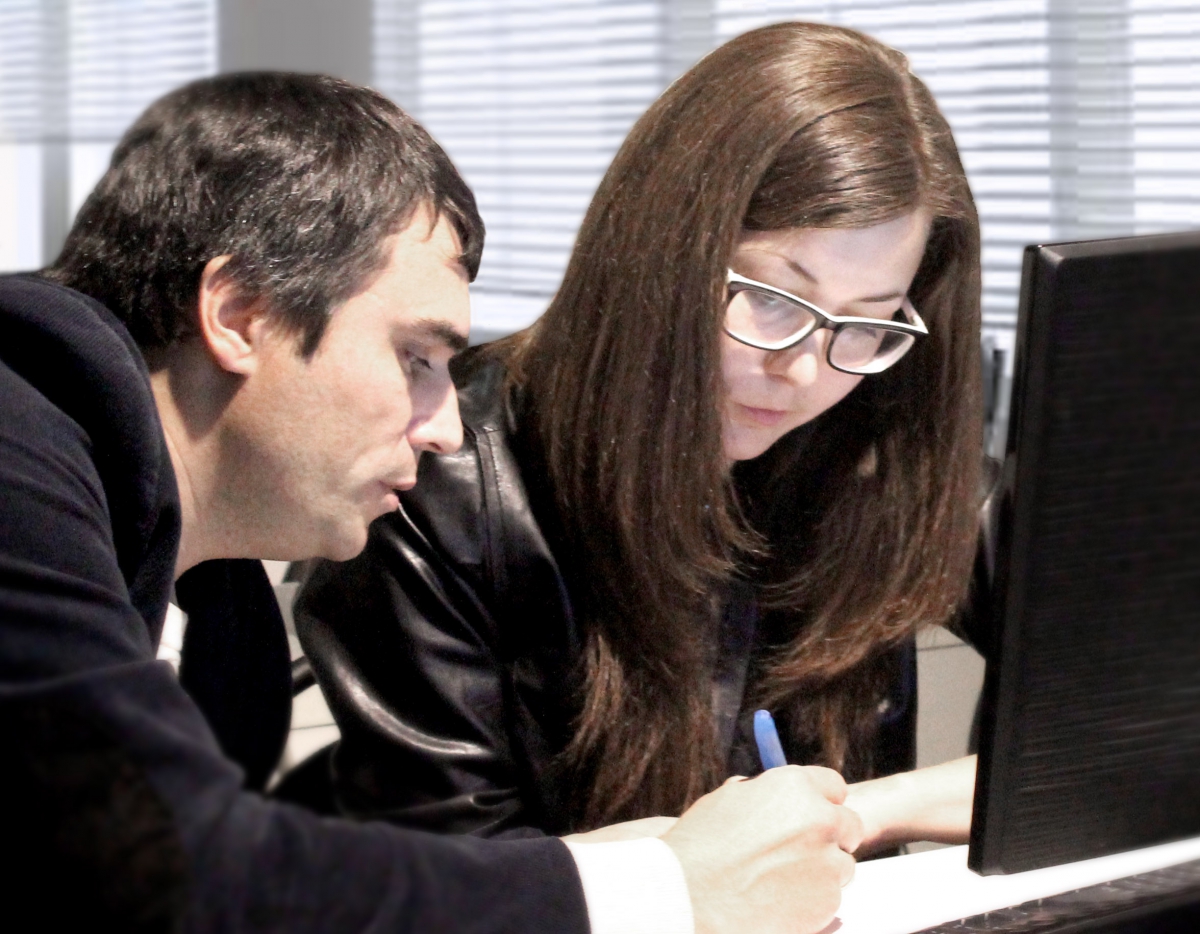
Обучение в аудитории
Москва
Rosaleen Young Caned Fixed
First, I'll check if "Caned Fixed" is the correct title. Sometimes titles are written differently. Searching Rosaleen Young's works, I find that she wrote "The Caned Chair" which is sometimes referred to. Maybe "Caned Fixed" is a variation or a misremembering. Assuming "The Caned Chair," I should go with that unless there's a specific reference for "Caned Fixed."
The poem’s emotional core thrums with a bittersweet nostalgia. The chair, once the seat of the mother or a cherished figure, becomes a symbol of absence. Young’s sparse yet vivid language captures a yearning for continuity, as the chair’s “stillness” contrasts with the speaker’s own movement through time. The chair, “fixed” in space, represents the lingering presence of the past, while the speaker is left grappling with the weight of memories that cling like dust to its surfaces. rosaleen young caned fixed
Possible quotes or lines from the poem to refer to? If I can't recall exact lines, better to avoid making up quotes. Instead, refer to general elements. Maybe mention the chair as a central motif that appears throughout the poem, serving as a constant in a changing environment. First, I'll check if "Caned Fixed" is the correct title
“The Caned Chair” is an elegy not only to a single object but to the quiet, unspoken histories that shape us. Through its fixed, caned form, Young immortalizes the fleeting and the enduring—moments of her life anchored by the chair’s presence. In its simplicity, the poem becomes a testament to how objects hold the weight of memory, offering a place where the living can sit in stillness beside the voices of those who came before. Maybe "Caned Fixed" is a variation or a misremembering
Все материалы, опубликованные на сайте, являются объектами авторского и имущественного права. Любое их использование должно быть
согласовано с администрацией сайта. Никакие материалы этого сайта не являются публичной офертой. ИП Четвертаков И.А. ОГРНИП 312774634100068
г. Москва, ул. Шипиловская, д. 60 | +7 (909) 933-10-00 | 3dmax-online.ru © 2012-2021
г. Москва, ул. Шипиловская, д. 60 | +7 (909) 933-10-00 | 3dmax-online.ru © 2012-2021
ПОДЕЛИТЬСЯ